

Overview of Shopify Capital Loan and Venture Capital
Shopify Capital Loan and Venture Capital are two different financing options available to businesses looking to scale their inventory. While both aim to provide capital for growth, they work in distinct ways.
Shopify Capital Loan
Shopify Capital Loan is a financing option offered by Shopify to its merchants. It provides a lump sum of money upfront, based on the business's sales history on the platform. The loan amount is then repaid through a percentage of future sales.
- Examples of companies that have used Shopify Capital Loan include small online retailers looking to expand their product offerings.
- Eligibility criteria for accessing Shopify Capital Loan typically involve having a certain amount of sales history on the Shopify platform, a good track record of sales, and meeting other specific requirements set by Shopify.
Venture Capital
Venture Capital, on the other hand, involves investors providing capital in exchange for equity in the company. This type of financing is often sought by high-growth startups looking to scale quickly.
- Examples of companies that have used Venture Capital for scaling inventory include tech startups with innovative products and high growth potential.
- Eligibility criteria for accessing Venture Capital usually involve having a scalable business model, a strong team, a large addressable market, and the potential for significant returns on investment.
Pros and Cons of Shopify Capital Loan
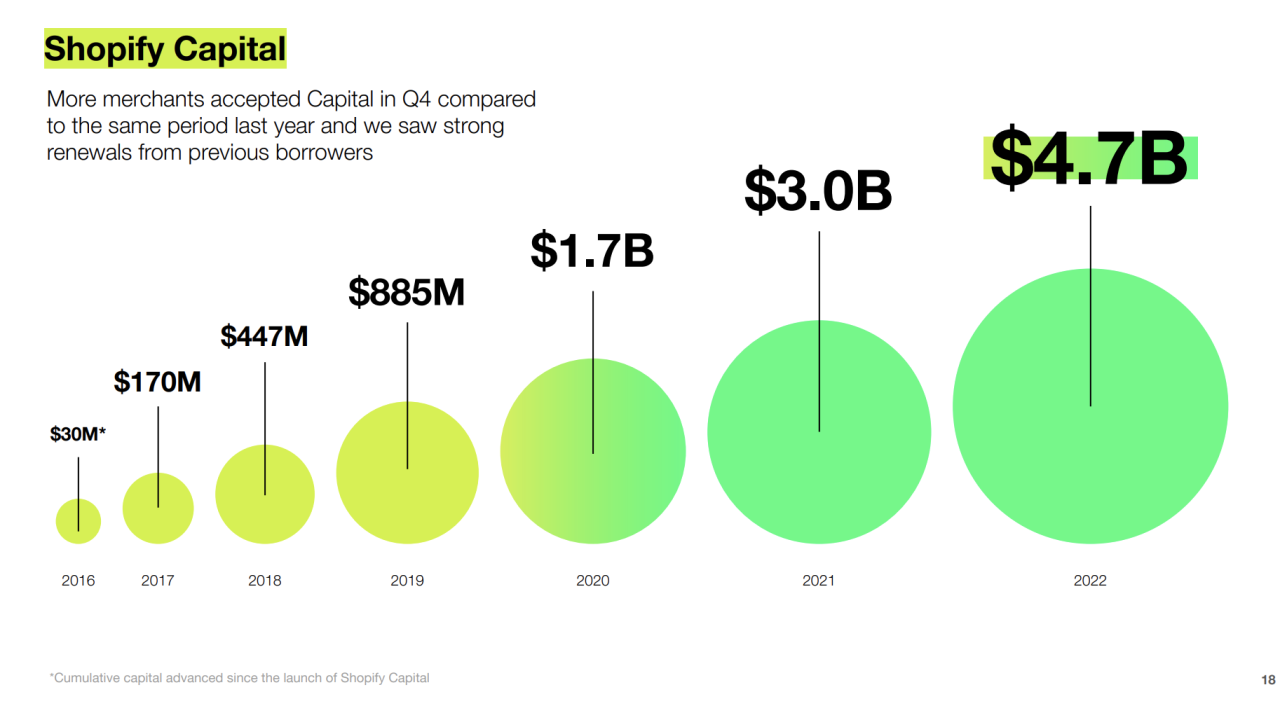
When considering scaling inventory, opting for a Shopify Capital Loan can have various advantages and drawbacks that businesses need to carefully evaluate before making a decision.
Advantages of Shopify Capital Loan
- Quick access to funds: Shopify Capital Loans offer a faster approval process compared to traditional bank loans, allowing businesses to access the necessary capital promptly.
- No equity dilution: Unlike Venture Capital, taking a Shopify Capital Loan does not entail giving away ownership stakes in the company, allowing businesses to retain full control.
- Flexible repayment options: Shopify Capital Loans often come with flexible repayment terms based on a percentage of daily sales, which can be beneficial during fluctuating revenue periods.
Drawbacks of Shopify Capital Loan
- Interest rates: Shopify Capital Loans may have higher interest rates compared to traditional bank loans, leading to increased overall repayment costs.
- Limitations on loan amount: The maximum loan amount available through Shopify Capital may not be sufficient for businesses with extensive inventory scaling needs.
- Dependency on sales volume: Repayment amounts for Shopify Capital Loans are tied to daily sales, which could pose challenges during slow sales periods.
Real-life Scenarios
One example of a business benefiting from a Shopify Capital Loan is a small e-commerce store that needed funds to expand its product line. By securing a loan through Shopify Capital, the store was able to increase its inventory and boost sales without giving up any ownership.
Conversely, another business struggled with a Shopify Capital Loan when faced with a sudden drop in sales. The repayment structure based on daily sales became burdensome, highlighting the potential challenges of dependency on revenue for loan repayments.
Pros and Cons of Venture Capital
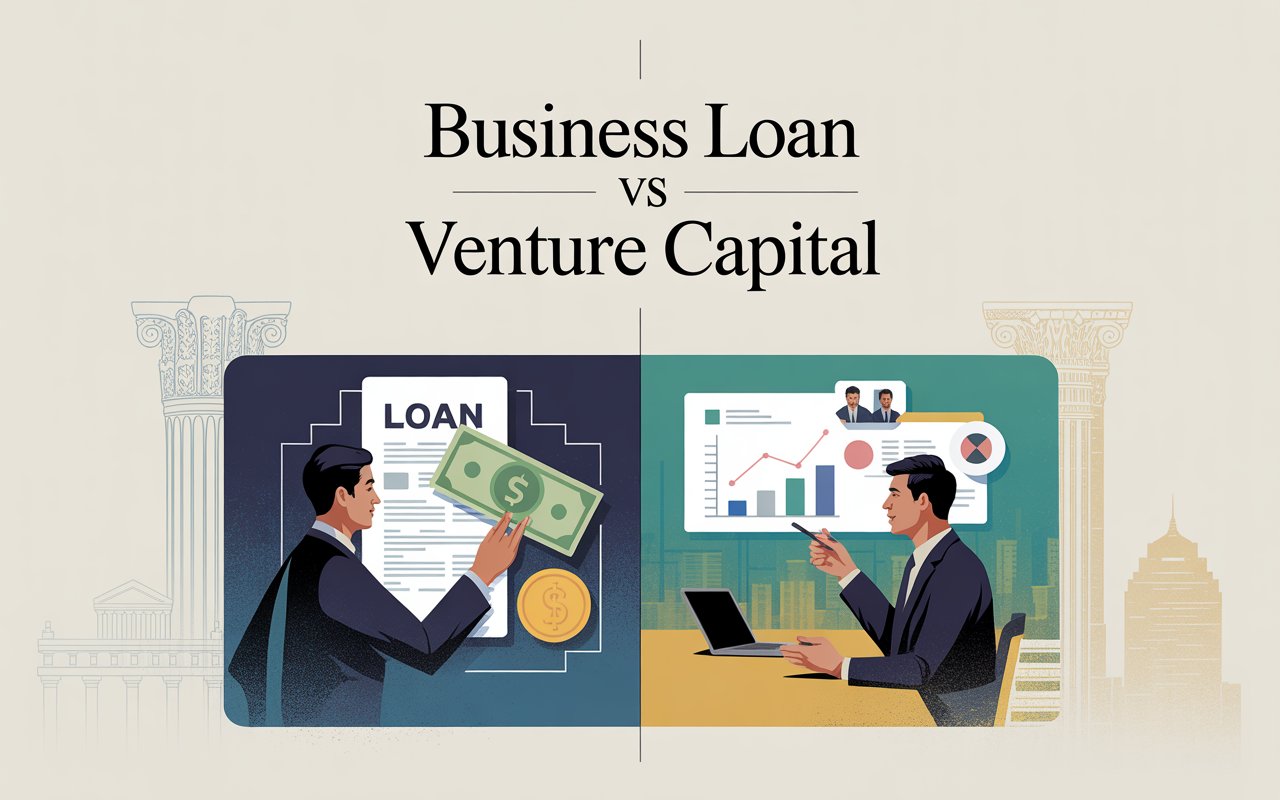
Securing Venture Capital for inventory scaling purposes can have its advantages and drawbacks. Let's take a closer look at the benefits and risks involved in relying on Venture Capital for business growth
Benefits of Venture Capital
- Venture Capital provides substantial funding that can help businesses scale their inventory quickly and efficiently.
- Access to Venture Capital often comes with valuable strategic advice and industry connections from experienced investors.
- Venture Capital firms are usually willing to take risks on innovative ideas and high-growth potential businesses.
Disadvantages of Venture Capital
- When securing Venture Capital, businesses often have to give up a portion of ownership and decision-making control to investors.
- There is pressure to achieve rapid growth and profitability to meet the expectations of Venture Capital investors.
- Securing Venture Capital can be a lengthy and complex process, involving due diligence and negotiations that may divert time and resources from core business operations.
Comparison of Repayment Terms
Shopify Capital Loan offers fixed repayment terms that are based on a percentage of daily sales, providing flexibility and predictability for businesses.
Venture Capital, on the other hand, typically involves equity financing where investors receive a share of ownership and profits, without a fixed repayment schedule. This lack of repayment terms can offer flexibility but may result in loss of control and potential dilution of ownership.
Case Studies and Success Stories

In this section, we will delve into case studies of businesses that effectively utilized Shopify Capital Loan to scale their inventory, as well as success stories of companies that opted for Venture Capital and achieved notable growth in inventory management.
Utilizing Shopify Capital Loan
- A small e-commerce startup, XYZ Jewelry, used a Shopify Capital Loan to purchase bulk inventory at a discounted rate, allowing them to increase their product offerings and attract more customers. As a result, their revenue doubled within a year.
- Another example is ABC Clothing, a mid-sized apparel company, which utilized a Shopify Capital Loan to expand their warehouse space and stock up on popular items. This strategic move led to a 30% increase in sales volume.
Success Stories with Venture Capital
- Company DEF Electronics secured Venture Capital funding to implement advanced inventory management systems and streamline their supply chain. This investment enabled them to scale their operations and increase their inventory turnover rate by 50%.
- Moreover, GHI Furniture attracted Venture Capital investors to fund their international expansion plans, resulting in a significant boost in their inventory capacity and global market presence.
Decision-Making Insights
Based on these case studies, businesses looking to quickly scale their inventory and meet short-term needs may benefit from Shopify Capital Loan's flexible and fast funding options. On the other hand, companies aiming for substantial long-term growth and strategic development might find Venture Capital more suitable for injecting significant capital and expertise into their inventory management.
Commonly Asked Questions
What is the main difference between Shopify Capital Loan and Venture Capital?
Shopify Capital Loan is a direct financing option provided by Shopify to its merchants, while Venture Capital involves external investors providing funding in exchange for equity.
Are there specific eligibility criteria for accessing Shopify Capital Loan and Venture Capital?
Yes, Shopify Capital Loan eligibility is based on sales history on the platform, while Venture Capital typically looks for high-growth potential in startups.
Which option offers more repayment flexibility, Shopify Capital Loan or Venture Capital?
Shopify Capital Loan often comes with fixed repayment terms, whereas Venture Capital might offer more flexibility but involves giving up ownership stake.