

Importance of Technical Audits in BigCommerce Services
Technical audits play a crucial role in enhancing the overall performance of a BigCommerce website. By conducting regular technical audits, businesses can identify and address issues that may be hindering their site speed and rankings on search engines.
Key Components of a Technical Audit for a BigCommerce Website
- Checking for crawl errors and broken links to ensure search engine bots can navigate the site efficiently.
- Optimizing website structure, meta tags, and headings to improve site visibility and relevance.
- Assessing page speed and performance to provide a seamless user experience and boost search engine rankings.
- Reviewing mobile-friendliness and responsiveness to cater to a growing mobile audience and comply with search engine algorithms.
How Technical Audits Help in Detecting and Fixing Issues
- Technical audits help in identifying and resolving issues that may be impacting a website's visibility and ranking on search engines.
- By addressing technical issues, businesses can improve site speed, enhance user experience, and ultimately drive more organic traffic to their BigCommerce store.
- Regular technical audits also ensure that the website remains optimized for search engine algorithms and industry best practices, leading to sustainable performance over time.
Site Speed Optimization Techniques for BigCommerce
Site speed is a critical factor that influences performance and user experience on a BigCommerce platform. Optimizing site speed can lead to higher search engine rankings, increased user engagement, and ultimately, more conversions.
Strategies for Optimizing Site Speed on a BigCommerce Platform
- Compressing images and files to reduce page load times and improve overall performance.
- Minimizing HTTP requests by combining CSS and Javascript files and leveraging browser caching.
- Utilizing Content Delivery Networks (CDNs) to distribute content closer to users and decrease loading times.
Comparison of Different Tools Available for Measuring and Improving Site Speed
- Tools like Google PageSpeed Insights, GTmetrix, and Pingdom provide valuable insights into site speed performance and offer recommendations for optimization.
- Each tool comes with unique features and metrics to help businesses identify areas for improvement and track progress over time.
- By regularly monitoring site speed using these tools, businesses can make informed decisions to enhance performance and stay competitive in the digital landscape.
Enhancing User Experience through Technical on BigCommerce
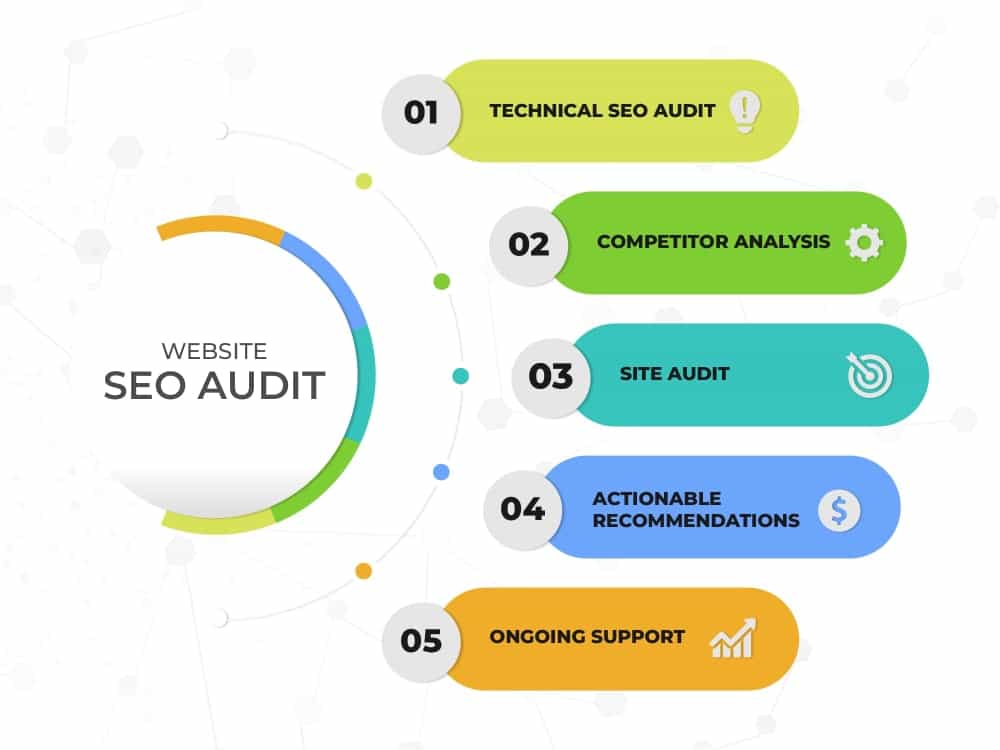
Improving user experience through technical enhancements is essential for attracting and retaining customers on a BigCommerce website. By implementing technical changes, businesses can create a seamless and engaging online experience that drives user engagement and conversion rates.
Plan to Implement Technical Changes for Positive User Engagement
- Optimizing website navigation and internal linking structure to help users find information easily and navigate the site efficiently.
- Improving website speed and performance to reduce bounce rates and keep users engaged with valuable content and products.
- Enhancing mobile responsiveness and ensuring a consistent user experience across devices to cater to a diverse audience and increase customer satisfaction.
Examples of Successful BigCommerce Websites with Improved User Experience through Technical
- Company A revamped its website structure and optimized site speed, resulting in a 20% increase in user engagement and a 15% boost in conversion rates.
- Brand B implemented structured data markup and enhanced mobile responsiveness, leading to a 30% decrease in bounce rates and a 25% rise in organic traffic.
- Retailer C focused on internal linking strategies and improved meta tags, resulting in a 10% growth in average session duration and a 12% increase in search engine visibility.
Leveraging Structured Data for Better Rankings on BigCommerce

Structured data plays a vital role in enhancing the visibility and relevance of a BigCommerce website on search engine results pages. By implementing structured data markup, businesses can provide search engines with valuable information about their products and services, leading to improved search engine rankings and increased organic traffic.
Types of Structured Data Markup Suitable for BigCommerce Websites
- Product schema markup to highlight key product details, such as price, availability, and reviews, in search results.
- Organization schema markup to showcase business information, such as contact details, location, and social profiles, in search listings.
- Breadcrumb schema markup to enhance site navigation and help search engines understand the website's hierarchy and structure.
Implementing Structured Data for Improved Search Engine Rankings
- Structured data helps search engines interpret and display website content more accurately, increasing the chances of appearing in rich snippets and knowledge graphs.
- By incorporating structured data markup, businesses can enhance their online visibility, attract more qualified leads, and drive higher click-through rates from search engine users.
- Regularly updating and optimizing structured data markup can further improve a BigCommerce website's search engine performance and maintain a competitive edge in the digital marketplace.
General Inquiries
Why are technical audits important for BigCommerce services?
Technical audits play a crucial role in identifying and fixing issues, ultimately improving site speed and rankings for BigCommerce websites.
How can site speed optimization impact performance on BigCommerce platforms?
Site speed directly affects user experience and search engine rankings, making it essential for success on BigCommerce.
What types of structured data markup are suitable for BigCommerce websites?
Types of structured data like product schema, reviews, and ratings markup are beneficial for enhancing on BigCommerce platforms.