
Introduction to PCI Compliance
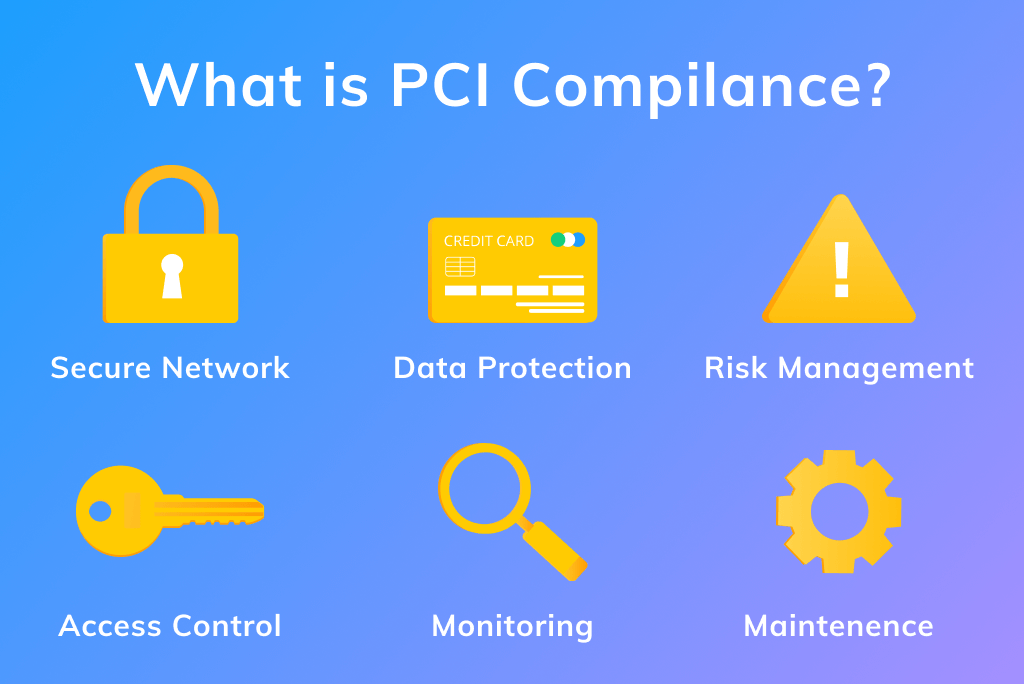
PCI compliance is a set of security standards designed to ensure that all companies that accept, process, store, or transmit credit card information maintain a secure environment. In the context of Magento Ecommerce development, PCI compliance is crucial to protect sensitive customer data and uphold the trust of online shoppers.
The Importance of PCI Compliance for Enterprise Security
- Protecting Customer Data: PCI compliance helps safeguard credit card information, preventing unauthorized access and potential breaches.
- Building Trust: By being PCI compliant, businesses demonstrate their commitment to data security, enhancing customer trust and loyalty.
- Avoiding Data Breaches: Non-compliance can lead to data breaches, resulting in financial loss, legal consequences, and damage to the company's reputation.
Consequences of Non-Compliance
-
Fines: Non-compliance with PCI standards can result in significant fines imposed by payment card companies or regulatory authorities.
- Reputational Damage: A data breach due to non-compliance can severely impact the reputation of a business, leading to loss of customers and trust.
- Legal Ramifications: Non-compliance may also result in legal actions, lawsuits, and regulatory penalties, further damaging the enterprise.
Understanding PCI DSS Requirements
When it comes to Payment Card Industry Data Security Standard (PCI DSS) requirements, Magento Ecommerce developers need to ensure compliance to protect sensitive payment card information. These requirements are designed to enhance payment card data security and reduce fraud. Let's delve into the specific requirements and how they apply to developers working with Magento.
Specific Requirements of PCI DSS
- Install and maintain a firewall configuration to protect cardholder data.
- Do not use vendor-supplied defaults for system passwords and other security parameters.
- Protect stored cardholder data.
- Encrypt transmission of cardholder data across open, public networks.
- Use and regularly update anti-virus software or programs.
- Develop and maintain secure systems and applications.
Application to Magento Ecommerce Developers
- Magento developers need to ensure that the platform is configured with a robust firewall to protect cardholder data from unauthorized access.
- Avoid using default passwords and settings provided by Magento to prevent vulnerabilities in the system.
- Implement encryption protocols to secure the transmission of cardholder data during online transactions.
- Regularly update Magento and all installed extensions to patch security vulnerabilities and maintain a secure environment.
Different Levels of PCI Compliance
- Level 1: For merchants processing over 6 million transactions annually. Requires an annual onsite audit by a Qualified Security Assessor (QSA).
- Level 2: For merchants processing 1 to 6 million transactions annually. Requires a self-assessment questionnaire and quarterly network scans.
- Level 3: For merchants processing 20,000 to 1 million e-commerce transactions annually. Requires a self-assessment questionnaire.
- Level 4: For merchants processing fewer than 20,000 e-commerce transactions annually. Requires a self-assessment questionnaire.
Implementing Secure Coding Practices
When developing Magento ecommerce websites, it is crucial to follow secure coding practices to ensure PCI compliance and protect sensitive customer data. Implementing proper encryption, hashing, and tokenization techniques can significantly enhance the security of your platform.
Best Practices for Secure Coding
- Use strong encryption algorithms to protect sensitive data both in transit and at rest. Implement SSL/TLS protocols to secure communication between servers and clients.
- Utilize hashing functions to securely store passwords and sensitive information. Always salt passwords before hashing to add an extra layer of security.
- Implement tokenization to replace sensitive data with tokens that are meaningless to attackers. This helps prevent data theft in case of a security breach.
Importance of Input Validation and Output Encoding
- Validate all user inputs to prevent SQL injection, cross-site scripting (XSS), and other common vulnerabilities. Use input validation libraries to sanitize and validate user data before processing.
- Encode output data to prevent malicious scripts from being executed on your website. Output encoding ensures that user-generated content is displayed safely without posing a security risk.
- Regularly update your Magento platform and third-party extensions to patch vulnerabilities and protect against security threats. Stay informed about the latest security best practices and follow Magento's security guidelines.
Securing Payment Gateways

Securing payment gateways within Magento is crucial for maintaining PCI compliance and protecting sensitive payment data. By implementing various security measures, developers can ensure a safe and secure online shopping experience for customers.
Using SSL Certificates
SSL certificates play a vital role in encrypting data transmitted between the customer's browser and the server, ensuring that sensitive information such as credit card details are protected from unauthorized access. It is essential to configure Magento to use HTTPS for all payment pages to establish a secure connection.
Implementing Two-Factor Authentication
Two-factor authentication adds an extra layer of security by requiring users to provide two forms of verification before accessing the payment gateway. By implementing this feature, developers can prevent unauthorized access to the system and reduce the risk of data breaches.
Utilizing Secure APIs
Secure APIs are essential for integrating third-party payment gateways with Magento while maintaining PCI compliance. Developers should ensure that APIs are encrypted, authenticated, and have proper access controls in place to protect sensitive payment data.
Handling Sensitive Payment Data
When handling sensitive payment data in Magento Ecommerce development, developers should follow best practices such as tokenization and encryption. By tokenizing payment information and encrypting data at rest and in transit, developers can minimize the risk of data exposure in case of a security breach.
Regular Security Audits and Vulnerability Scans
Regular security audits and vulnerability scans are crucial components of maintaining PCI compliance and ensuring the security of Magento Ecommerce systems. These practices help in identifying potential weaknesses, vulnerabilities, and threats that could compromise the integrity of the system and the safety of sensitive customer data.
Significance of Regular Security Audits and Vulnerability Scans
Performing regular security audits and vulnerability scans allows Magento developers to proactively assess the security posture of their Ecommerce systems. By conducting these assessments on a routine basis, developers can identify and address security gaps before they are exploited by malicious actors.
This helps in reducing the risk of data breaches, financial losses, and reputational damage.
- Regular security audits help in evaluating the effectiveness of existing security controls and measures.
- Vulnerability scans enable developers to detect and remediate security vulnerabilities in the system.
- By staying ahead of potential security threats, developers can maintain a secure environment for online transactions.
Penetration Testing for Identifying Weaknesses
Penetration testing, also known as pen testing, is a simulated cyberattack conducted on a system to identify security weaknesses that could be exploited by attackers. Magento developers can use penetration testing as a proactive measure to assess the security of their Ecommerce systems and identify areas that require improvement.
Penetration testing helps in assessing the effectiveness of security controls and measures in place, simulating real-world attacks to identify vulnerabilities.
Step-by-Step Guide for Security Audits
- Start by conducting a comprehensive review of the Magento Ecommerce system's architecture, configurations, and security settings.
- Perform vulnerability scans using specialized tools to identify potential weaknesses in the system.
- Review access controls, user permissions, and data encryption practices to ensure compliance with PCI DSS requirements.
- Conduct penetration testing to simulate cyberattacks and identify critical security vulnerabilities.
- Document findings, prioritize remediation tasks, and implement security patches and updates to address identified vulnerabilities.
Training and Awareness Programs
Training Magento Ecommerce developers on PCI compliance is crucial for maintaining a secure environment for enterprise security. It is essential to ensure that developers are well-versed in the best practices and guidelines set forth by PCI DSS to protect sensitive data and prevent security breaches.
Strategies for Creating Effective Security Awareness Programs
Effective security awareness programs within development teams can be created by implementing the following strategies:
- Organizing regular training sessions on PCI compliance and secure coding practices.
- Providing resources such as guidelines, documentation, and case studies to educate developers on potential security risks.
- Encouraging open communication and collaboration among team members to share knowledge and insights on security measures.
- Conducting simulated phishing attacks and security drills to test the team's response to potential threats.
Role of Continuous Education in Maintaining a Secure Environment
Continuous education plays a vital role in maintaining a secure environment for enterprise security by:
- Keeping developers updated on the latest security threats and vulnerabilities.
- Providing opportunities for developers to enhance their skills and knowledge in cybersecurity.
- Encouraging a culture of security awareness and vigilance within the development team.
- Regularly reviewing and updating security policies and procedures to adapt to evolving security challenges.
FAQ Insights
What is PCI compliance and why is it important for Magento Ecommerce developers??
Answer: PCI compliance ensures that payment card data is handled securely, reducing the risk of breaches and protecting enterprise security.
What are some best practices for secure coding in Magento development to meet PCI compliance??
Answer: Secure coding practices include encryption, hashing, tokenization, input validation, and output encoding to prevent vulnerabilities.
How can Magento developers secure payment gateways for PCI compliance??
Answer: Secure payment gateways by using SSL certificates, two-factor authentication, secure APIs, and handling sensitive payment data carefully.
Why is regular security auditing and vulnerability scanning essential for Magento Ecommerce systems??
Answer: Regular audits and scans help identify weaknesses, prevent breaches, and ensure ongoing PCI compliance for enterprise security.
What is the significance of training Magento Ecommerce developers on PCI compliance??
Answer: Training promotes awareness, understanding, and implementation of PCI compliance measures, enhancing overall enterprise security.